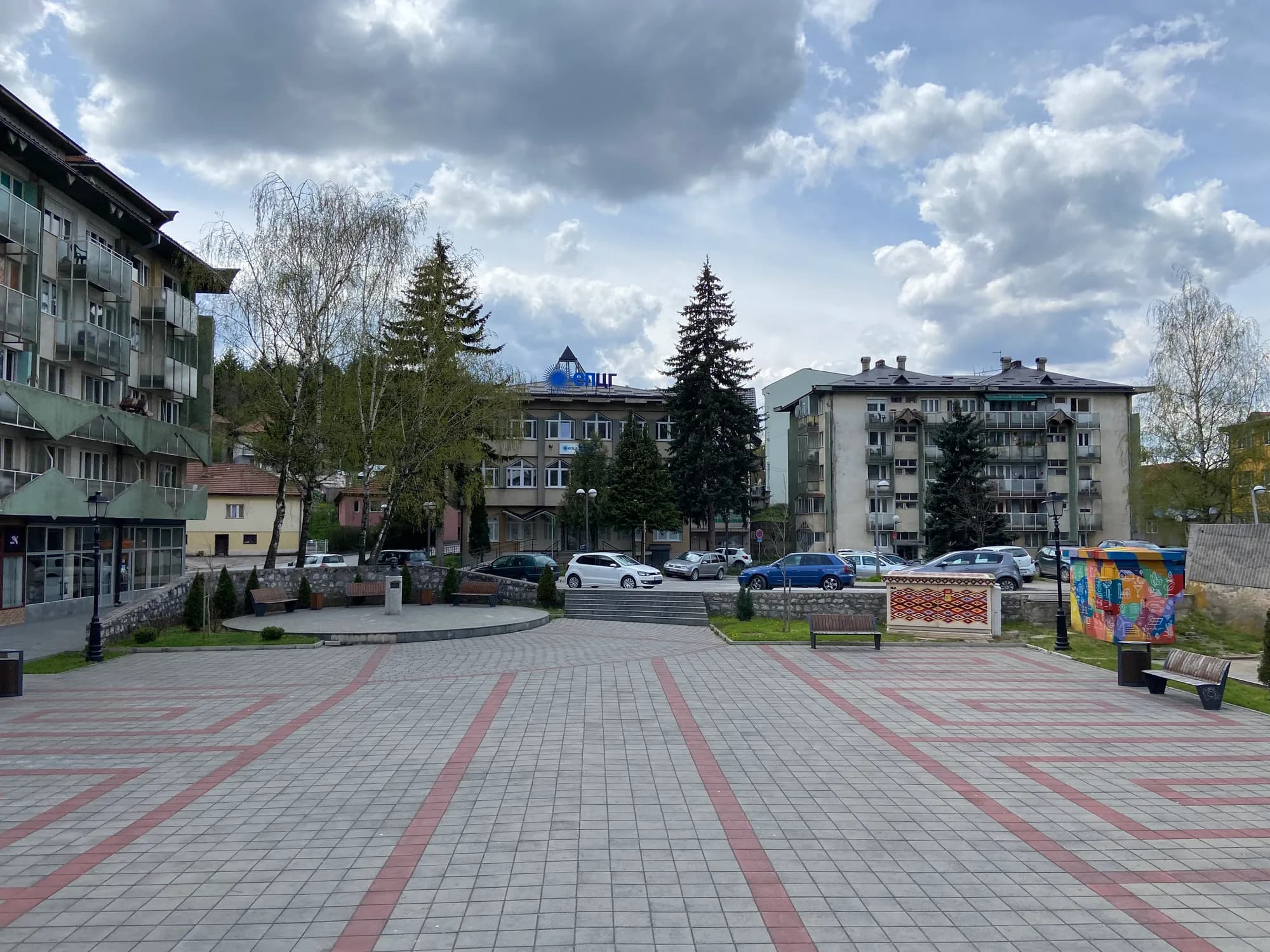
Pljevlja, located in a spacious and fertile valley in the northwest of Montenegro, through which the Ćehotina and Brzava rivers flow, is a city with extraordinary historical depth. From ancient times, when the Roman Municipium S flourished in this area, through the medieval parish of Breznica and the period of Ottoman administration when Pljevlja (Taslidža) was the seat of the Herzegovinian sandjak, until the Austro-Hungarian garrison era, this city functioned as a cosmopolitan crossroads of trade routes between the Adriatic and the interior of the Balkans. Pljevlja has a unique architectural and spiritual topography - it is an area where the top achievements of Islamic and Christian sacred art can be found just a hundred meters away. This makes this city an ideal destination for a profound, enlightening day tour that takes travelers through the ages, from Roman glass to age-old monastery treasuries and fragrant oriental bazaars. Below we present a fluid guide through the key stages of the day, created to reveal the rich cultural heritage and authentic identity of the Pljeval region.
Morning marked by ancient jewels and the city core The exploration of Pljevlja begins at the central city square and pedestrian zone, surrounded by rows of trees and the pleasant, welcoming atmosphere of the northern city. Morning coffee in the bazaar is an ideal prelude to meeting the most important cultural institution in the city. Native museum and priceless Diatreta The first inevitable stop is the Local Museum of Pljevlja, an institution that preserves the priceless archaeological and ethnographic treasures of this region. The museum has more than five thousand exhibits that trace the course of time from the Paleolithic to the modern era, with a special emphasis on objects from the nearby Municipium S. The absolute crown of the museum collection is the Pljeval diatreta - a luxurious Roman glass goblet from the 4th century AD, with an inscription carved from living glass in the upper rim. This glass with a mesh structure was made from a single piece of glass by the skill of the most refined ancient craftsmen. Diatreta was found completely preserved and represents an archaeological unique of the world class, since there are only a few preserved specimens of this value on the entire planet. Noon at the Crossroads of Confessions: Masterpieces of Architecture and Spirituality The middle of the day is reserved for a tour of two monumental pillars of Pljeval and Balkan spirituality, which bear witness to the coexistence and high aesthetic reach of religious architecture for centuries. Hussein Pasha Mosque In the very heart of the city stands the Husein Pasha Mosque, built in 1569 by the order of Husein Pasha Boljanić, a high Ottoman dignitary originally from this region. Built of precisely carved stone, under the influence of the famous Istanbul school of the great architect Sinan, this mosque is considered one of the most beautiful and harmonious monuments of Islamic architecture in the entire Balkans. Its minaret, 42 meters high, is the highest in this area and is characterized by exceptional elegance. The interior of the mosque hides lavish arabesques, Turkish carpets and a richly decorated mihrab. In its treasury, Hussein Pasha's Qur'an from the 16th century is kept - one of the most beautiful manuscript editions of this holy book in the Balkans, decorated with pure gold foil and floral motifs. Monastery of the Holy Trinity A short walk from the city center through a well-kept and peaceful park, at the foot of the hill, leads to the Monastery of the Holy Trinity, hidden in the silence of a tall forest. This Orthodox monastery originates from the pre-Ottoman period, most likely from the 14th century, and through the centuries of slavery it was the most important copying, educational and spiritual center of the wider region. The famous hieromonk Gavrilo Troječanin worked here, and the monastery's treasury still preserves a priceless collection of illuminated manuscripts, silver fittings, church dishes and icons in a refined Byzantine style. The interior of the church is decorated with a sumptuous iconostasis with a golden woodcarving and a fresco that exudes mystical peace, attracting visitors of all faiths. Take a break with the cult dishes of the Pljeval table After an intense walk through the ages, the afternoon brings the ideal moment for a gourmet pilgrimage. The Pljeval region is widely known for its specific, heavy and extremely tasty mountain gastronomy. The main star of the local table is the famous Pljeval cheese, a product with a protected geographical origin that matures through a special technological process in wooden vats, acquiring a specific spiciness and thin leafy layers. Along with cheese, you should definitely try Pljeval mantles and homemade pies made from hand-rolled dough, lamb or veal roasted under fire, as well as the famous cakes according to old oriental recipes, which together with the traditional hospitality of Pljeval hosts creates a unique gastronomic atmosphere. Evening: Historical calm on Stražica hill The day is rounded off in the most beautiful way with a gentle ascent to the Stražica hill, which dominates the city. At the very top of this elevation, a monumental memorial complex was built dedicated to the fighters from World War II and the famous Battle of Pljeval in 1941. As the sun slowly sets behind the surrounding mountain ranges, Stražica offers a complete panoramic view of the entire Pljeval valley, the roofs of the town houses, the slender minaret of the mosque and the outlines of the old streets. It is this unique harmony between the ancient Roman elegance imprinted in the diatreta glass, the oriental splendor of the Hussein Pasha Mosque, the age-old copyist silence of the Holy Trinity Monastery and the pungent, authentic flavors of Pljevlja cheese, that makes Pljevlja a destination that offers complete cultural regeneration in just 24 hours. This is a city that does not suffer from passing tourist trends; it captivates with its depth, sincerity and centuries-old spiritual richness that permanently binds the traveler to the north of Montenegro. WHERE TO EXTEND THE DAY? (Alternatives for a longer stay or a different pace): If you have a faster pace of touring, plan a multi-day stay in the Pljevlja region, or instead of city history you want to explore untouched nature and viewpoints, the wider territory of the municipality of Pljevlja offers top locations: Viewpoint Meandri Ćehotine: Located about twenty kilometers from the city, this locality offers one of the most spectacular and photographed natural scenes in the country. Here, the Ćehotina river carved perfect, winding meanders in the shape of horseshoes through the rocks, surrounded by dense green vegetation. Archaeological site Municipium S: It is located in the suburban settlement of Komini and represents the remains of one of the most important Roman cities in the interior of the province of Dalmatia. Although most of the exhibits are in the museum, a visit to the site itself provides an insight into the foundations of the Roman baths, the necropolis and the urban plan of the ancient settlement. Ljubišnja Mountain: A legendary mountain on the border with Bosnia and Herzegovina, known for its endless forests of black pine and spruce, extensive pastures and medicinal plants. The ascent to its highest peak, Dernečište (2238 m above sea level), represents the ultimate challenge for mountaineers and lovers of wild nature. Dubočica Monastery: An important Orthodox monastery from the 16th century dedicated to Saint Nicholas. It is interesting that this temple was originally located next to the Ćehotina river itself, but due to the construction of the artificial reservoir Otilovići, it was meticulously moved, stone by stone, to a new, safe location above the lake. Canyon of the Tara River and Monastery Dožlica: In the southern part of the municipality, the road leads to the magnificent canyon of Tara. In the village of Premćani, there are the remains of the medieval monastery Dobili from the 15th century, the endowment of King Milutin, who for centuries shared the tragic and proud fate of the people of this region.