Pljevlja
About the city
A city of rich history and cultural heritage
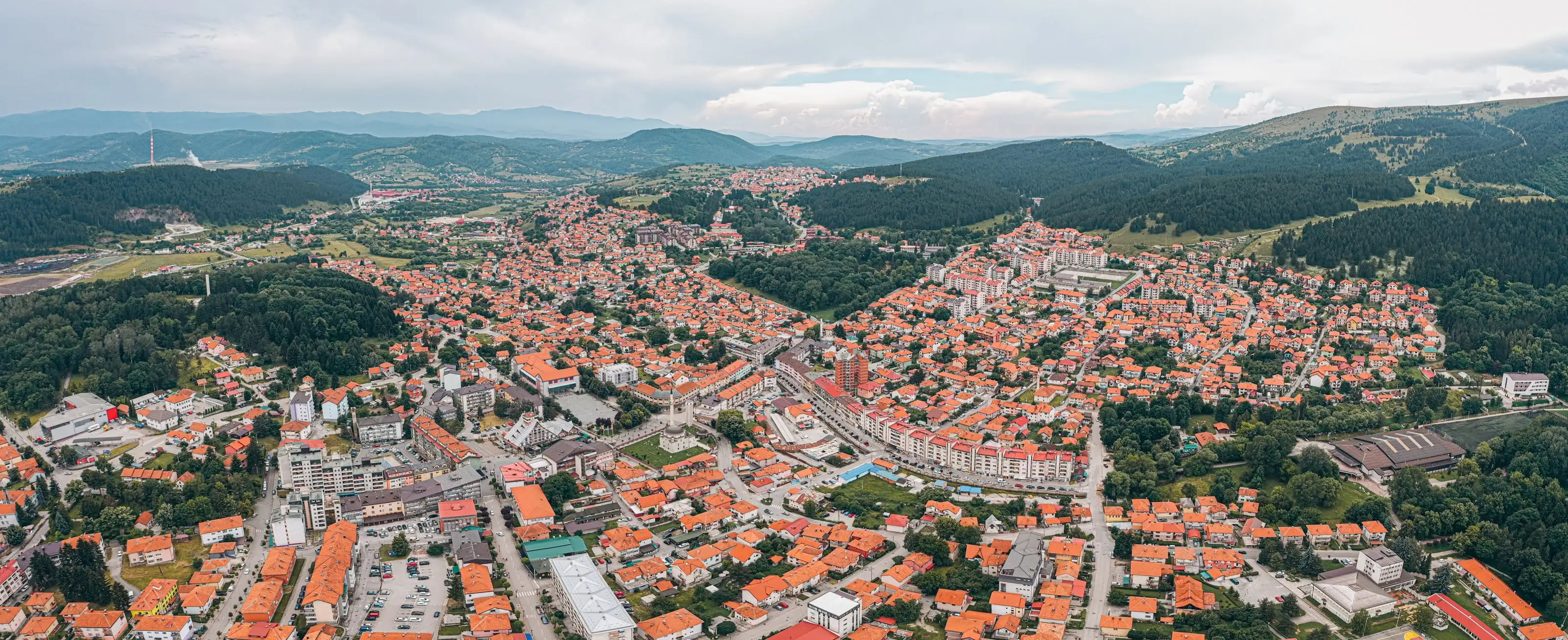
In the extreme north of Montenegro, in a spacious basin surrounded by mountains, is located Pljevlja, a city whose past reveals centuries of trade, cultural encounters and various historical influences. Thanks to its position on the former important trade routes, Pljevlja developed as an important administrative, economic and cultural center. Today, their legacy is recognized in the architecture, historical monuments and traditions that shaped the identity of this region.
Among the most recognizable sights of the city, the Hussein Pasha Mosque from the 16th century stands out, known for its harmonious architecture, richly decorated interior and tall minaret. Not far from the city center is the monastery of the Holy Trinity, whose frescoes, manuscripts and valuable objects testify to a significant spiritual and artistic heritage. Even older traces of the past were discovered at the archaeological site of Municipium S, near the village of Komini, where there are remains of an ancient Roman settlement. Together, these sights tell the story of different civilizations and cultures that left their mark on the area of Pljevlja.
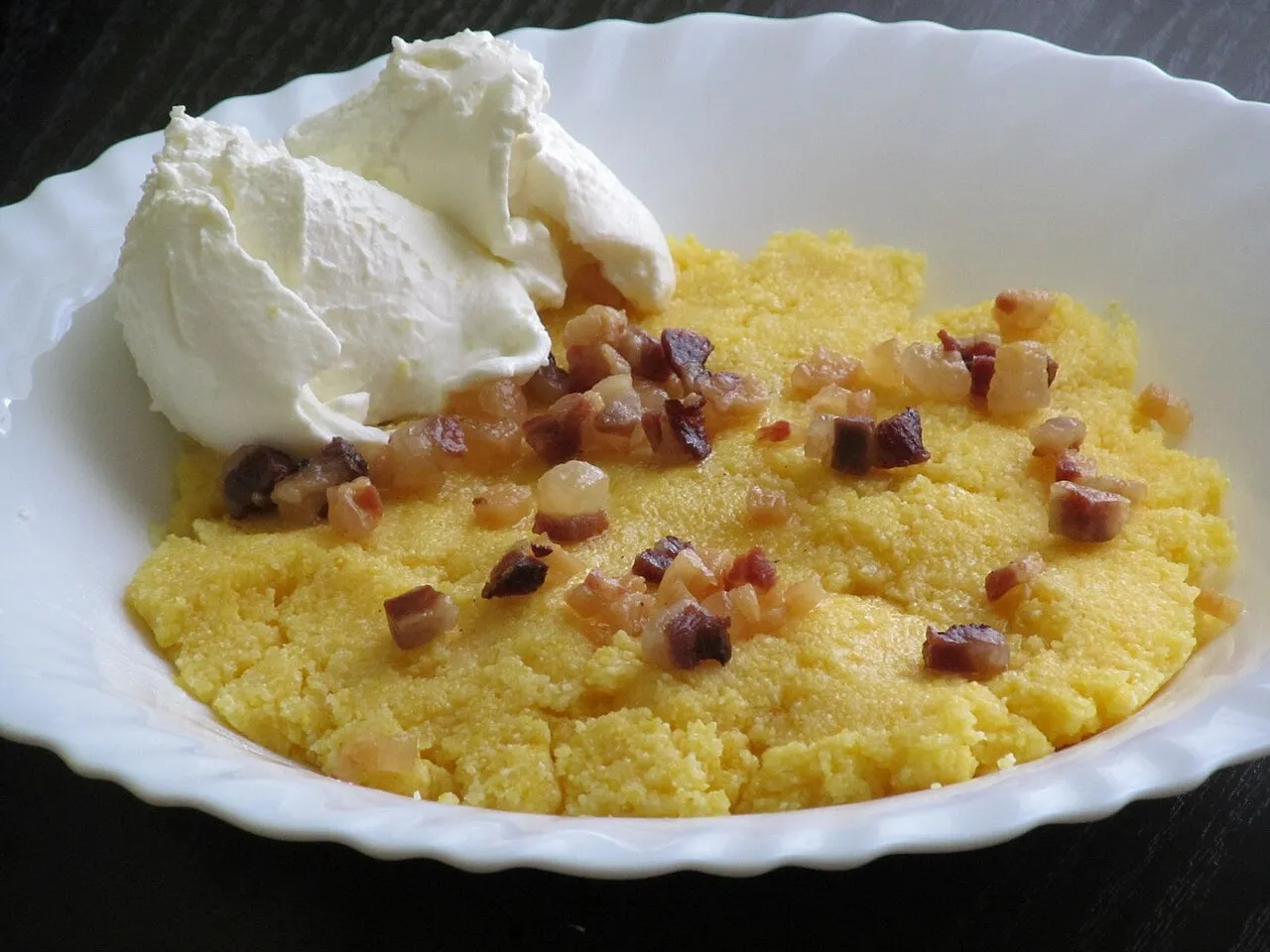
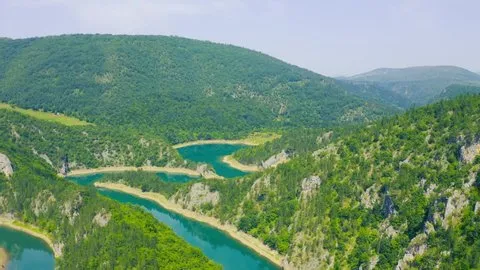
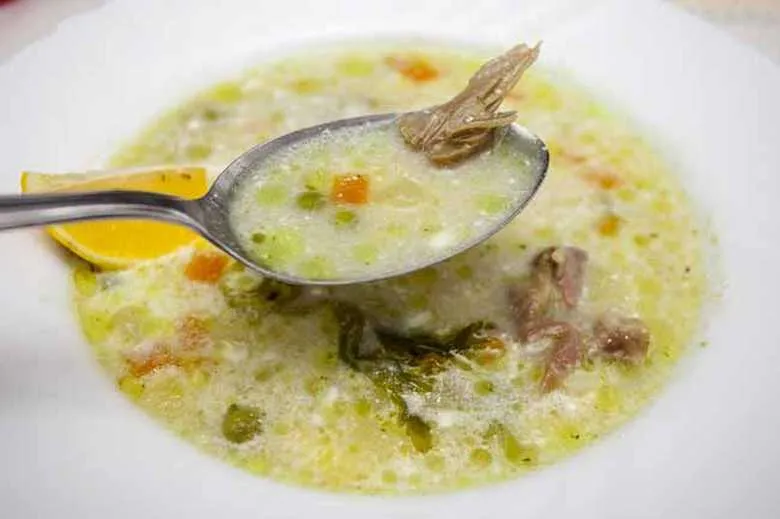
In addition to historical wealth, the Pljeval region is characterized by diverse natural landscapes. The Ćehotina river, the Ljubišnja mountain, the wooded areas and the surrounding plateaus provide opportunities for exploring nature, hiking and spending time outdoors. Special attention is drawn to the meanders of Ćehotina and Otilović Lake, which reveal the quieter side of this area. A walk through the city streets, getting to know local customs and traditional cuisine bring the everyday life of Pljevlja even closer. It is a city where the past is not only preserved in monuments and museums, but remains present in the space, architecture and stories of its inhabitants.
What to visit
Activities
Journal stories from Pljevlja
Itera App
Explore Pljevlja with the Itera app
Interactive map, routes, and local partners — everything you need for a perfect stay in Pljevlja.
Learn more about the app →