Culture and art represent not only a segment of social life, but the very core and the most important part of the identity of the municipality of Danilovgrad. Although it is a spatially smaller municipality, this tame area in the Zeta valley has nurtured an extraordinarily rich cultural tradition for centuries. Through the dedicated work of museums, public libraries, cinemas, but also world-renowned art institutions and numerous festivals, Danilovgrad has built a recognizable cultural scene. In a unique way, it successfully combines the jealous preservation of priceless historical and archaeological heritage with the most modern trends of modern artistic creativity. Thanks to this, Danilovgrad is now rightly perceived as a kind of cultural epicenter of central Montenegro and a city that breathes through art.
- Danilovgrad Cultural Centre – Centre of Social Life The Danilovgrad Cultural Center is the main bearer, initiator and coordinator of almost all key cultural events in the municipality. This public institution was founded in 1965 with the noble goal of bringing the local community closer to top theatrical, musical and visual arts, as well as various educational contents. Throughout the year, the Center successfully organizes theater performances, concerts of classical and modern music, art exhibitions, literary evenings, promotions of new literary editions and film screenings. Under its roof, the Homeland Museum, the National Library and the City Cinema operate institutionally and functionally. That is why this institution represents the true, beating heart of the city's cultural life, which successfully animates and gathers audiences of all generations — from the youngest to the oldest citizens.
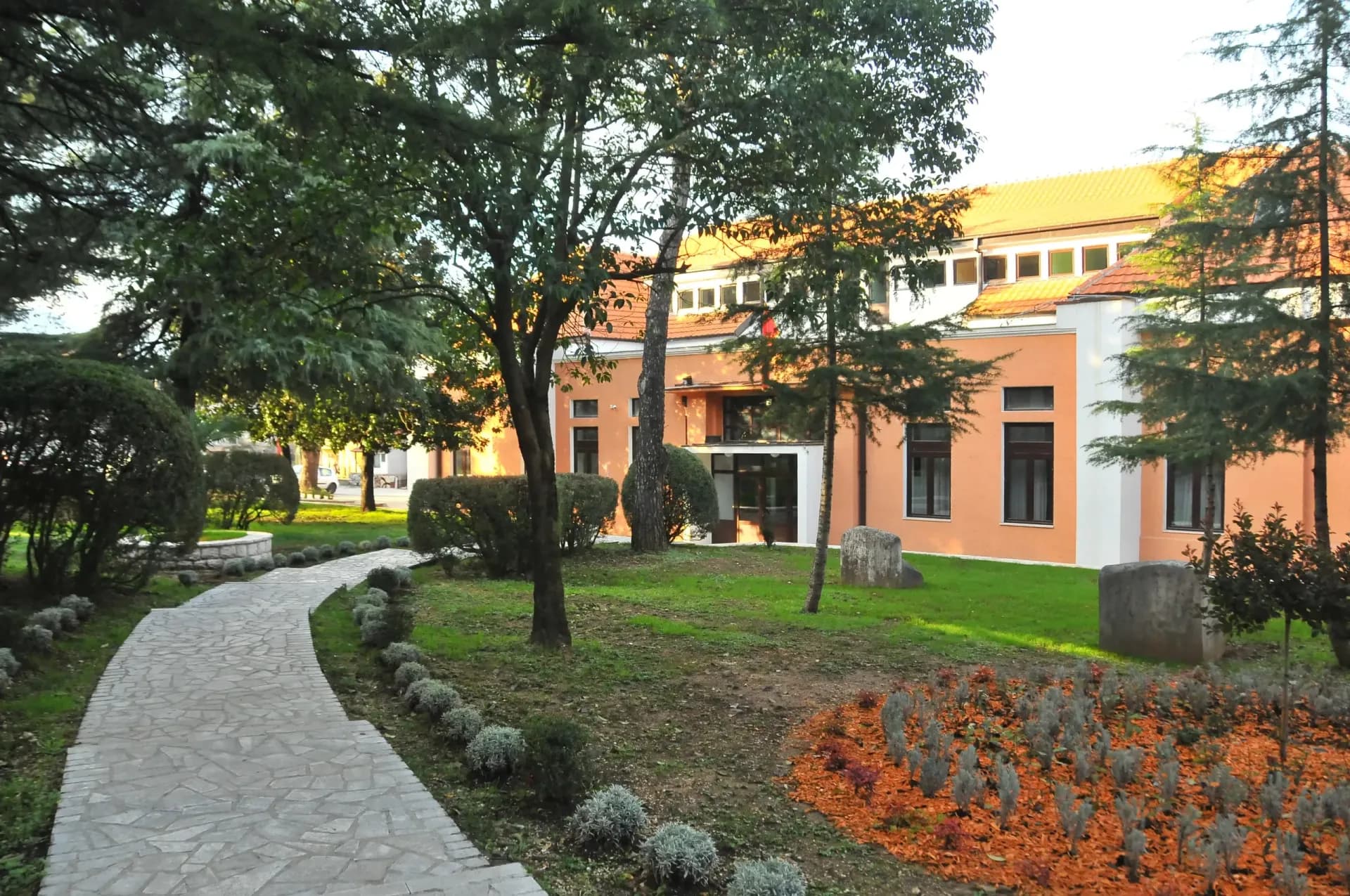
- Danilovgrad Homeland Museum – A Witness from Antiquity to the Summer House of King Nikola The Homeland Museum of Danilovgrad was founded in 1960, and is located in the architecturally beautiful ambience of the former summer residence of Prince (later King) Nikola I Petrović from the 19th century. The building itself is a protected cultural monument and an ideal home for the priceless historical treasure of Bjelopavlić. In the rich and carefully systematized museum collections, archaeological finds from sites throughout the Zeta valley are kept, among which a special place is occupied by artifacts from Martinićka gradina (an ancient early medieval town from the period from the 9th to the 12th century). The permanent exhibition also contains valuable ethnographic objects, authentic folk costumes of this region, old photographs, historical documents, as well as a rich collection of Montenegrin and oriental weapons (which testify to the battles for the Spiš Fortress). Through its exhibitions, the museum offers a fascinating journey through time, faithfully depicting the social, military and economic development of Danilovgrad and its surroundings from the oldest Illyrian and Roman times to modern times.
- Public Library "Mihailo Miho Vuković" – Guardian of the Written Word The Public Library "Mihailo Miho Vuković" is the foundation of education, literacy and spirituality in Danilovgrad. Its historical beginnings go deep into the past and are inextricably linked to the first city reading room founded in 1889, at a time when the modern Montenegrin state was just being born, while it has been continuously performing independent library activities since 1963. Today, the library has an impressive and rich book fund, which is regularly supplemented with the latest achievements of domestic and world literature, as well as valuable professional and scientific publications. In addition to its primary role in book publishing, the library is recognized as an extremely active cultural arena. It regularly organizes prestigious book promotions of eminent authors, literary evenings dedicated to local and regional creators, and creative workshops for children and young people, thus continuously encouraging the development of reading culture in Bjelopavlići.
- Cinema "Zeta" – A cult symbol of film art
The City Cinema "Zeta" was officially opened in 1947 and is one of the oldest and most beloved symbols of the cultural and social life of Danilovgrad. For decades, it has been a major gathering place for young people and a window to the world through the seventh art. Today, the cinema operates within the Cultural Center and successfully maintains the tradition of regular cinema repertoire. The hall organizes screenings of the latest domestic and international film achievements, a rich children's and animated program, as well as thematic film revues and festivals. Over the past few years, the hall and accompanying equipment have been significantly modernized with the introduction of modern digital technology, providing film lovers with top conditions for enjoying the art of film, while retaining the nostalgic, recognizable charm of the old city cinema. 5. Danilovgrad Art Colony – World Open Air Sculpture Museum The Danilovgrad Art Colony was founded in 1972, and since 1999 it has proudly operated as an independent cultural institution. During more than five decades of continuous and dedicated work, this colony has become an international brand and received the official status of an institution of special importance for the culture of the state of Montenegro. What makes this colony unique in the world is its focus on sculpture. Danilovgrad has become a synonym for stone processing thanks to the autochthonous white marble from the local village of Maljat. The colony has hosted hundreds of the most eminent academic sculptors and painters from Montenegro, the region and all over the world (Europe, America, Asia). During their stay, the artists carved monumental sculptures that remain in the permanent ownership of the city. That is why today the entire center of Danilovgrad, together with the park next to the Zeta River, has been turned into a magnificent gallery and open-air sculpture museum, where visitors can enjoy masterpieces of contemporary art at every step. 6. Festivals and events on the banks of Zeta
The cultural life of Danilovgrad reaches its peak through numerous traditional events that are organized throughout the year, with a special emphasis on the summer months. Spuž Summer and Spuž Cultural Scene: During the hot summer days, the old Spuž becomes a big stage under the open sky. On the banks of the Zeta River, theater plays, literary evenings, folklore performances and concerts are organized, which bring together artists and attract many visitors from other cities. Rijeka Night and gastronomic events: Events that wonderfully combine the preservation of tradition, local Bjelopavlić cuisine (promotion of Rijeka's fish and agricultural products) with a music and entertainment program. Comic culture: In recent years, Danilovgrad and Spuž have become recognizable for the affirmation of the ninth art, through the organization of exhibitions and workshops in cooperation with the Association of Comic Artists of Montenegro, which attracts a lot of attention from the younger audience. Conclusion Cultural institutions and artistic events of Danilovgrad are the most beautiful testimony to how a geographically smaller community can have a grandiose spiritual and creative power. By combining the proud history inscribed in the walls of the summer residence of King Nikola and the Martinić Castle with modern artistic visions carved in white marble from Maljat, Danilovgrad has built an authentic and recognizable cultural code. The Homeland Museum, the library, the renovated cinema and the Art Colony together form an inseparable whole that preserves the past, enriches the present and opens the door to future generations of creators, making Danilovgrad an unavoidable stop for all true lovers of culture and art.