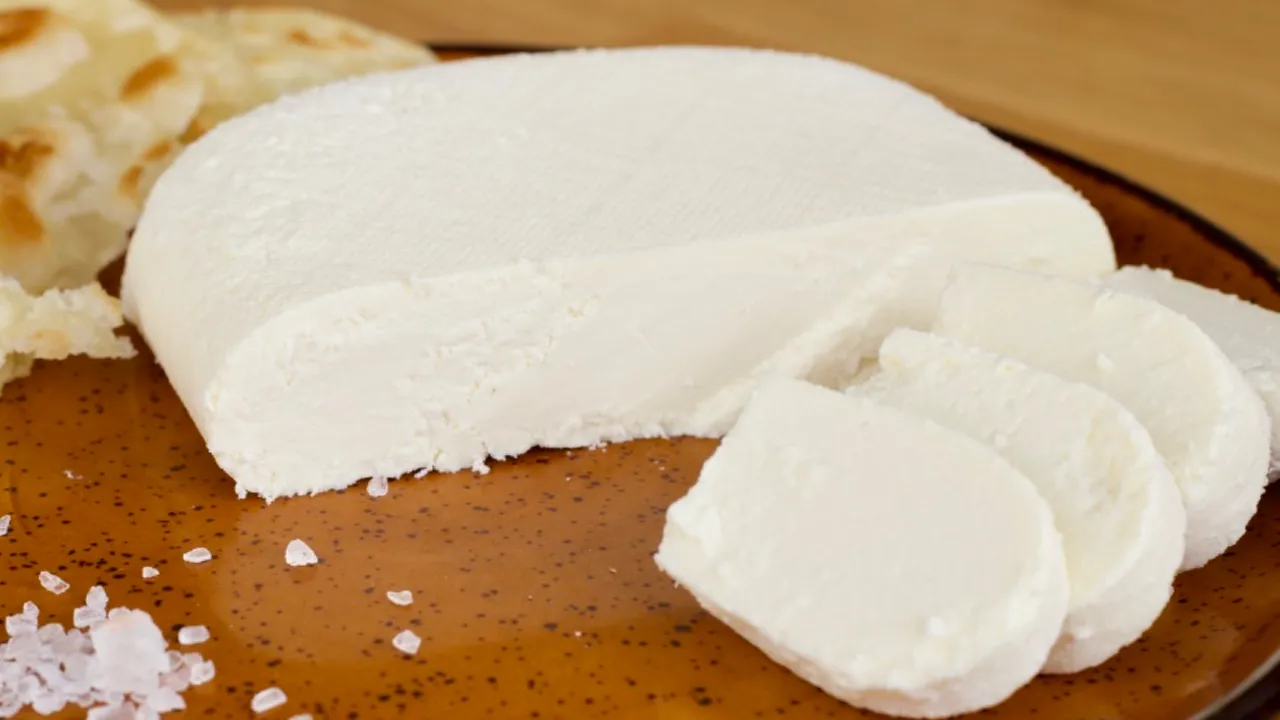
Montenegro is a country where cheese is not only seen as a food, but as part of tradition, family heritage and everyday life. From the high mountain pastures of the north to the rocky regions of the central part of the country, cheese production has been an important part of the pastoral lifestyle for centuries. Precisely thanks to pure nature, rich grazing and experience passed down through the generations, the cheeses that Montenegrin gastronomy is known for today were created.
In the past, almost every household engaged in animal husbandry produced its own cheese. Fresh milk was processed immediately after milking, and the method of preparation depended on the region, type of milk and family tradition. Although the recipes were different, the goal was always the same – to preserve the quality of the milk and obtain a product that will last a long time, but retain its natural taste. Among the most famous Montenegrin cheeses, Kolašin leafy cheese has a special place. Its uniqueness is reflected in its characteristic layered structure, from which it got its name. It has a mild taste, a delicate texture and easily separates into thin sheets, which makes it unique among the traditional cheeses of the area. It is made from high-quality milk from the mountain pastures of Bjelasica and Sinjajevina, where the rich vegetation gives a special quality to the milk from which it is produced. Sheet cheese is most often served with homemade bread, crackers or as part of a traditional appetizer. No less important is the Pljeval cheese, one of the most famous dairy products in the north of Montenegro. It is produced according to recipes that have been preserved for generations, and it is characterized by a full, pronounced taste and a firm, but at the same time creamy texture. Thanks to the specific natural conditions of the Pljeval region and the long tradition of animal husbandry, this cheese occupies a special place on tables throughout the country and is often considered one of the symbols of Montenegrin mountain cuisine. In addition to these two most famous cheeses, numerous local varieties are produced throughout Montenegro that bear the characteristics of the regions from which they originate. Differences in altitude, the plants the cattle feed on and traditional production methods give each cheese a special character. This is precisely why the same recipe can give a completely different taste in different regions. In traditional Montenegrin cuisine, cheese is rarely just a side dish. It is often the main part of breakfast or an appetizer and is served with homemade bread, priganice, kačamak, cicvara or Njeguški prosciutto. Such combinations of simple foods best show the richness of local gastronomy and the belief that quality products do not require complex preparation in order to leave a strong impression. Cheese production has a special place in Montenegrin katuns. During the summer months, the herdsmen take their cattle to the mountain pastures, where the milk is processed daily into cheese according to recipes that have hardly changed over the centuries. For many visitors, a tour of Katun is an opportunity to see how authentic Montenegrin cheeses are made and to taste them immediately after production. Today, Montenegrin cheeses are an indispensable part of the gastronomic offer of numerous restaurants, ethno-villages and rural households. Tourists like to choose them as a first appetizer or as an authentic product to take with them after their trip. Their value is not only in their rich taste, but also in the story they carry - the story of mountain pastures, hardworking hosts and traditions that are preserved through each new generation. Montenegrin cheeses therefore represent much more than a dairy product. They are part of the cultural identity of the country and a testimony of a life in which nature, animal husbandry and family knowledge created tastes that have survived to this day. Whether it's the delicate Kolasin sheet cheese, the full flavor of Pljeval cheese or one of the numerous local varieties, each of them carries a part of the story of Montenegro and its rich gastronomic heritage.