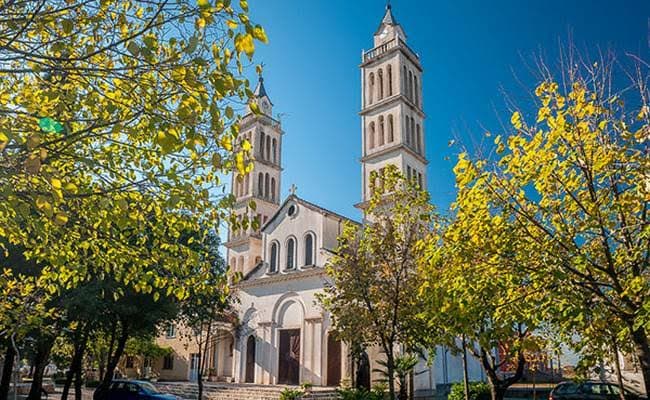
Religious buildings in the area of Tuzi municipality represent a valuable part of the cultural and historical heritage of Montenegro and testify to the centuries-old development of this area, which through different historical epochs was the meeting place of Eastern and Western civilizations. Located between the Zeta Plain, Lake Skadar and the mountainous region of Malësia, Tuzi has been an important crossroads of trade routes and cultural influences since the Middle Ages, which is why a variety of sacred architecture developed here. During the Middle Ages, this area belonged to the historical Zeta, while after the Ottoman conquest in 1479, there was a strong development of Islamic culture and architecture. At the same time, the Catholic and Orthodox population continued to nurture their spiritual traditions, renovating and erecting churches that through the centuries were not only places of worship, but also places of gathering, education and preservation of national and cultural identity. Today, the sacral objects of Tuzi represent a valuable combination of history, architecture and spirituality. Their stone facades, bell towers, minarets and richly designed interiors testify to different architectural traditions that have left a deep mark on the cultural landscape of Malësia.
Catholic Church of St. Anthony of Padua - the spiritual symbol of Malësia The Church of St. Anthony of Padua is the most important Catholic religious building in the Tuzi municipality and one of the most important spiritual centers of the Catholic population of Malësia. It was built in 1934, during the period of more intense development of the Catholic community between the two world wars, on the site where there was a place of worship before. With its architectural design, the church belongs to the simple neo-Romanesque expression, characteristic of Catholic sacral buildings of the first half of the 20th century. It was built of hewn stone, with a single-nave base, an accentuated altar apse and a tall bell tower that dominates the facade. Harmonious proportions, massive stone walls, arched openings and simple decoration contribute to its monumentality and distinctive appearance. The interior of the church exudes simplicity and dignity. The altar area, stained glass windows and sacral artistic equipment create a special atmosphere of prayer and concentration. During almost a century of existence, the church was not only a place of worship, but also an important center for preserving the language, tradition and cultural identity of the Catholic population of this region. For visitors visiting Tuzi, the church is a valuable testimony of the Catholic sacral architecture and history of Malësia, and it is especially visited during the celebration of the feast of St. Anthony of Padua, when it gathers a large bagel of believers from Montenegro and neighboring Albania. Nizam's Mosque in Tuzi - a witness of Islamic spirituality and architecture The Central Nizam's Mosque in Tuzi is the most important Islamic religious building in the municipality and the spiritual center of the Muslim community. Its existence continues the centuries-old Islamic tradition that developed in this area after the establishment of Ottoman rule at the end of the 15th century. Today's building is the result of several phases of renovation and extension, adapted to the needs of the growing community. Architecturally, it belongs to the traditional Ottoman type of mosque, with a spacious prayer hall, mihrab, minbar and a slender minaret that rises above the settlement and is one of the recognizable elements of the Tuzi panorama. The interior is characterized by harmonious geometric ornaments, calligraphic inscriptions and functional organization of space, in accordance with the traditional principles of Islamic sacred architecture. Apart from its religious function, the mosque has an important educational and social role through the organization of religious classes, lectures and humanitarian activities. For many visitors, it represents a valuable example of preserved Islamic cultural heritage and a testimony of the centuries-old presence of Islamic tradition in the territory of Malaysia. The Church of Saint Demetrius in Vranje - guardian of the Orthodox tradition The Church of Saint Demetrius in the village of Vranje is one of the most important Orthodox churches in the Tuzi municipality. It was built on the foundations of an older place of worship, continuing the long tradition of Orthodox life on the edge of the Zeta Plain. It was built in the traditional architectural spirit of local sacred architecture as a single-nave stone building with a semicircular altar apse and a characteristic belfry on a nave. Thick stone walls, modest decoration and harmonious proportions represent the basic characteristics of its architecture, which is fully adapted to the natural environment of this part of the plain. The iconostasis, liturgical objects and the rich spiritual tradition nurtured in the church are of special value. During major Orthodox holidays, it gathers the faithful of this region, while giving visitors the opportunity to get to know an authentic example of Orthodox sacred architecture and the history of this part of the plain at the foot of the hill. Village churches and mosques - guardians of local identity In addition to the most famous sacred buildings, the area of the municipality of Tuzi contains numerous village churches and mosques (such as those in Vuksanlekići, Milješ, Dinoša or Sukuruć), which represent an important part of the cultural landscape of Malësia. Although architecturally more modest, they have an exceptional historical and social value, because for centuries they were places where the population gathered, made important decisions, educated young people and preserved local customs. Most of these buildings were built from local stone, with the use of traditional construction techniques that allowed them to fit harmoniously into the natural environment. Precisely their authenticity, simplicity and connection with the history of local communities represent a special value for researchers of cultural heritage and visitors who want to get to know the original spirit of Malësia. Conclusion The sacral heritage of Tuzi represents one of the most significant features of the cultural identity of this area. Catholic churches, Orthodox temples and Islamic places of worship together bear witness to centuries of continuity of life, mutual respect and the rich history of Malësia. Their architectural value, historical significance and spiritual role make them not only places of prayer, but also precious cultural monuments that complete the tourist and cultural offer of the municipality of Tuzi.