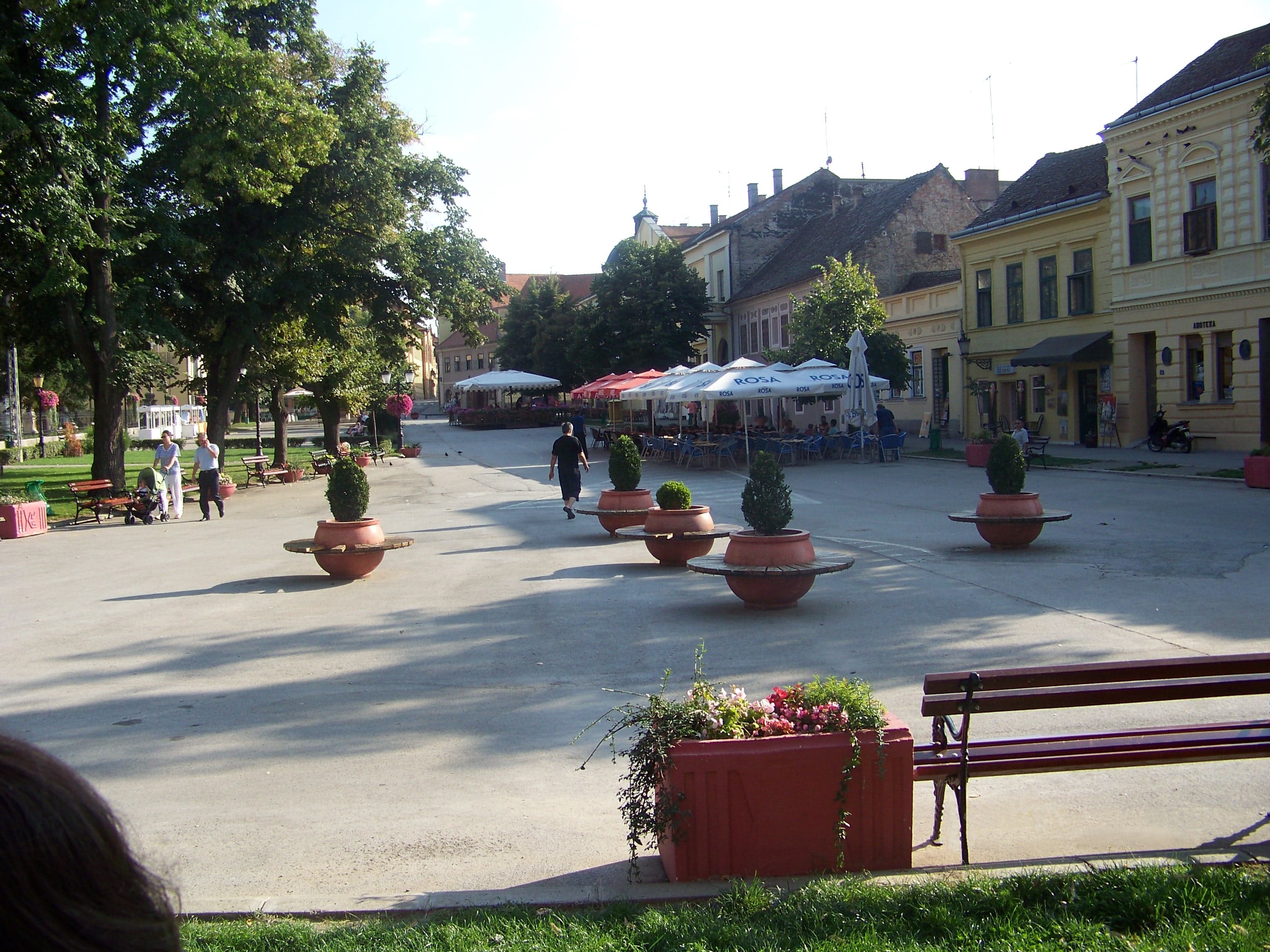
Gusinje is located in the far north-east of Montenegro, situated in a spacious and fertile glacial valley, which is surrounded like impenetrable walls by the mountain ranges of Prokletije. Throughout history, this area has had an extremely important strategic, commercial and natural position, as it represents a natural passage and link between the mountainous areas of northern Albania, Metohija and the wider Balkan area. Due to this geographical position, a specific settlement developed here early on, which had both a trading and a defensive role at the same time. Although Gusinje does not have large medieval fortified cities with monumental stone walls and closed military cores like coastal cities, its rich heritage is reflected in the old urban core, developed bazaar and unusual family stone towers that perfectly combined residential, commercial and protective functions.
- Starovaroško core of Gusinja – Trade crossroads of the empire In the Ottoman period, and especially during the 18th century, an urban settlement was formed, which is rightly called the old town of Gusinja. It was not a classic fortified city surrounded by ramparts, but a powerful administrative, craft and military center around which dynamic daily life developed. In that golden age, Gusinje was one of the most important trade hubs in the region, located on the frequent caravan route that connected Skadar and Podgorica with Peć and the interior of the Balkans. There were hundreds of shops in the then Gusinj bazaar, numerous inns welcomed merchants from all over the Ottoman Empire, and the traffic of people and expensive goods through the valley itself was strictly controlled. Over time, this lively commercial and military center became the basis of modern Gusinj, so its importance is still clearly recognized in the specific oriental structure of the settlement. The security of this expanse and the control of the mountain passes were ensured through a system of smaller defense and observation points placed at strategic heights above the valley, which served for surveillance and early warning of the town.
- Stone towers of Gusinja - A combination of military architecture and a family home The stone towers of Gusinja represent the ultimate range of traditional architecture in this part of the Balkans. They were not created as part of a single, state fortification system, but as private, family houses of respectable and wealthy local fraternities that had to have a pronounced defensive function in times of frequent historical turmoil and insecurity. They were built of massive, solid stone in the lower areas, while the upper floors often had wooden overhangs — porches, with distinctive hipped roofs covered with wooden shingles. The towers have several floors and extremely small openings, which on the lower levels functioned exclusively as loopholes, which gives them a simple but incredibly strong, monolithic and impregnable character. They bear witness to the time when every house had to be a small fortress ready to withstand a long siege, while at the same time providing the comfort of a warm family home.
- Redžepagić Tower and Vuković Tower - The pride of Gusin stonework Within the old urban area of Gusinja, individual buildings can be distinguished, which represent true gems of tower architecture: Redžepagić Tower: This is the most famous, oldest and best-preserved tower in Gusinje, but also one of the most important monuments of this type in the entire Balkans. It was built way back in 1671 by the defense commanders of this region. Its massive construction, with three floors, the last of which is constructed in the form of a luxurious wooden veranda with loopholes on the floor, represents a perfect visual combination of a crude military fortification and refined oriental residential architecture. The tower has completely preserved its original appearance and testifies to the power and reputation of this Kotor and Gusinje noble family. Vuković Tower: Also located in the old part of Gusinje, this tower belongs to the same group of traditional family fortifications. Although it has been partially changed and adapted to modern needs over time, it still jealously preserves the basic characteristics of the old, indigenous stone construction and massive walls that provided security to its tenants for centuries.
- Towers of the old core - Ambient whole under Prokletije
In the settlement itself and its immediate surroundings, there used to be a significantly larger number of smaller stone towers that are not individually historically isolated, but together form an invaluable ambient whole of the old urban space. Arranged among traditional houses, narrow streets and old courtyards, these towers are an integral part of the everyday atmosphere of Gusinje. They show how the entire city architecture developed in complete symmetry with defense needs. Today, Gusinje represents an enchanting combination of historical heritage and harsh natural environment, a place where you can clearly see how human life and construction developed in perfect harmony with the mountainous terrain. The old core and these traditional stone guards still faithfully preserve the spirit of the past, the pride and freedom tradition of the Gusin area. Conclusion The defense history of Gusinj is not written by large imperial fortresses, but by the hewn stone of its family towers and the lively energy of the former trading bazaar. From the strategic observation posts that oversaw the Prokletija gorges, through the proud and impregnable Redžepagić Tower, all the way to the hidden stone buildings in the old streets — Gusinje remains an authentic guardian of tradition. These cultural monuments stand today as silent but proud witnesses of the age-old struggle for survival, freedom and dignified life on the harsh but magical combination of trade routes and impassable mountain heights.