Bijelo Polje is one of the most important cultural centers of the north of Montenegro, located in the fertile valley of the Lim River. Due to its specific geographical position, this city has been a meeting place of different peoples, religions and cultures for centuries, which has left a deep and indelible mark in its historical, spiritual and artistic development. The cultural tradition of this area dates back to the Middle Ages, when the area of Bijelo Polje was an important spiritual and literate center. It was here, in the Church of St. Peter and Paul (an endowment of Prince Miroslav), that Miroslav's Gospel was created in the 12th century – the most important monument of South Slavic and Serbian literacy in Cyrillic, which is today on the UNESCO list "Memory of the World". Throughout later historical periods, the city developed under the strong influences of oriental and Western cultures, and today it represents a harmonious blend of rich heritage and modern cultural life.
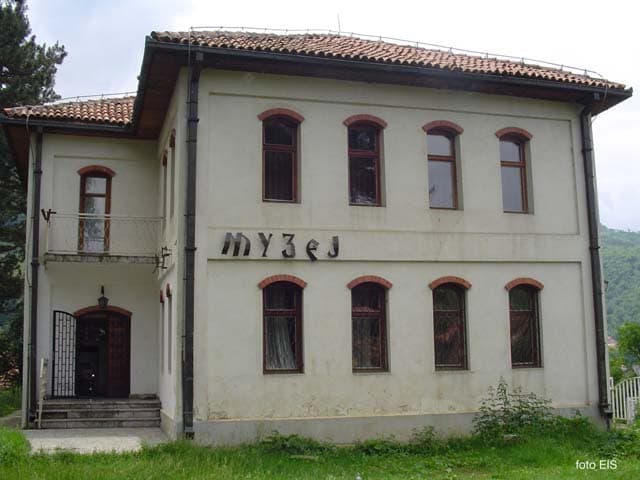
The Most Important Cultural Institutions and Events Public institution Cultural Center "Vojislav Bulatović Strunjo" The Cultural Center "Vojislav Bulatović Strunjo" is the umbrella cultural institution in Bijelo Polje and the main driver of the contemporary artistic life of the city. Created in the period after World War II, in the wave of institutional development of culture in Montenegro, the Center is today a modern platform where theater performances, concerts, film screenings, literary evenings and art exhibitions alternate throughout the year. The institution plays a key role in networking artists from Montenegro and the region, but also in working with young people. Through drama sections, art workshops and educational programs, the Center actively shapes new generations of Bijelo Polje artists and offers the audience a dynamic and high-quality program. Homeland Museum Bijelo Polje The Homeland Museum, founded in 1956, is located in the unique building of the old Bijelo Polje Gymnasium, which is a cultural monument in itself. Its primary mission is to systematically collect, preserve, research and present the rich archaeological, historical and ethnographic heritage of the Lim Valley. Museum exhibitions take visitors through the chronological development of this region – from prehistoric findings, through the Roman and medieval periods, to a rich ethnographic collection that testifies to the coexistence and interweaving of Christian and Islamic traditions in this area. The museum has intensive cooperation with educational institutions, which makes a huge contribution to the preservation of local identity among young people. Public Library "Ćamil Sijarić" The Public Library in Bijelo Polje is a pillar of education and literacy of the municipality. With a book fund that counts tens of thousands of titles in the field of domestic and world literature, science and art, it is an unavoidable place for pupils, students, researchers and all lovers of the written word. Within the library, the Homeland Collection has a special value, which preserves the works of authors born in this area. In addition to its primary activity, the library is recognized for organizing literary forums, promotions and programs aimed at the development of reading culture. Risto Ratković House and Public Institution "Ratković Poetry Evenings" The House of Risto Ratković, an authentic edifice of traditional architecture from the beginning of the 20th century, is one of the most important literary and cultural lighthouses of Bijelo Polje. Located in the hometown of this great expressionist writer, the house preserves the memory of his avant-garde opus that permanently marked Montenegrin and South Slavic literature. It is also the seat of the Public Institution "Ratković Poetry Evenings", which organizes the international event of the same name founded in 1971. Today, this festival is one of the most prestigious poetry festivals in Southeast Europe. Every September, Bijelo Polje becomes a regional center of literature, where the prestigious "Risto Ratković" award for the best poetry book is awarded, as well as the award for young poets, which encourages the development of new talents. Literary Club "Miodrag Bulatović" The Literary Club is named after Miodrag Bulatović, one of the most translated and authentic writers of domestic and world modern literature, who was born in the Bijelo Polje region (village of Okladi). The club operates under the auspices of the Center for Culture and is focused on gathering established and non-established creators. Special emphasis is placed on the promotion of Bijelo Polje authors (the so-called native writers), and the organization of literary workshops that help young poets and prose writers to find their authentic expression. Bjelopolje Theatre and Performing Arts Theatrical life in Bijelo Polje has a tradition of more than a century (the first play was performed back in 1912). Today, the Bijelo Polje Theater, which operates as part of the Cultural Center, is one of the most vital amateur and semi-professional theaters in the country. Known for its bold and engaged settings, it regularly triumphs at the Festival of Drama Amateurs of Montenegro, of which Bijelo Polje is the traditional host. The most important professional ensembles from the region regularly perform on the Bijelo Polje scene. Art scene, gallery programs and festivals Bijelo Polje can boast of an extremely lively art scene. Through the exhibition spaces of the Cultural Center and the Homeland Museum, solo and collective exhibitions of academic artists are organized throughout the year. A special cultural brand of the city are traditional art colonies, such as the colony "Painters from Lim", which has been gathering artists inspired by the landscapes of this region for decades. Also, the city is recognizable for festivals that celebrate intangible cultural heritage, among which the International Festival of Tamburitza Orchestras stands out, as well as festivals dedicated to preserving the tradition of epic poetry and oral creativity, in memory of the famous Bijelo Polje RPSOD, Avdo Međedović (Balkan Homer). Conclusion The rich cultural and artistic heritage of Bijelo Polje represents one of its greatest and most recognizable values. From the medieval illuminations of Miroslav's Gospel, through literary boulders such as Risto Ratković, Ćamil Sijarić and Miodrag Bulatović, to contemporary theater and art festivals, this city continuously justifies the status of the cultural center of the north of Montenegro. A visit to Bijelo Polje's cultural institutions and events provides a unique opportunity to get acquainted with the authentic spirit and tradition of permeation that has lasted in this area for centuries.