Šavnik is a small, but historically, ethnologically and culturally extremely specific municipality located in the heart of the Durmitor and Uskok plateau. Located at the picturesque crossroads of three rivers – Bukovica, Bijela and Šavnik – this town has profiled itself over the centuries as a natural and communication hub that connects the inhospitable north of Montenegro with its coastal and central regions. Its cultural identity matured in the harsh but inspiring conditions of mountain life, where tribal solidarity, oral epics, customary codes, and deep collective memory played a crucial role in preserving the ethnocultural continuity and spiritual integrity of the population. Although demographically reduced, Šavnik has a steady cultural potential, which today is articulated through the dedicated work of local public institutions, educational institutions and traditional events that faithfully preserve the authentic spirit and heritage of this region.
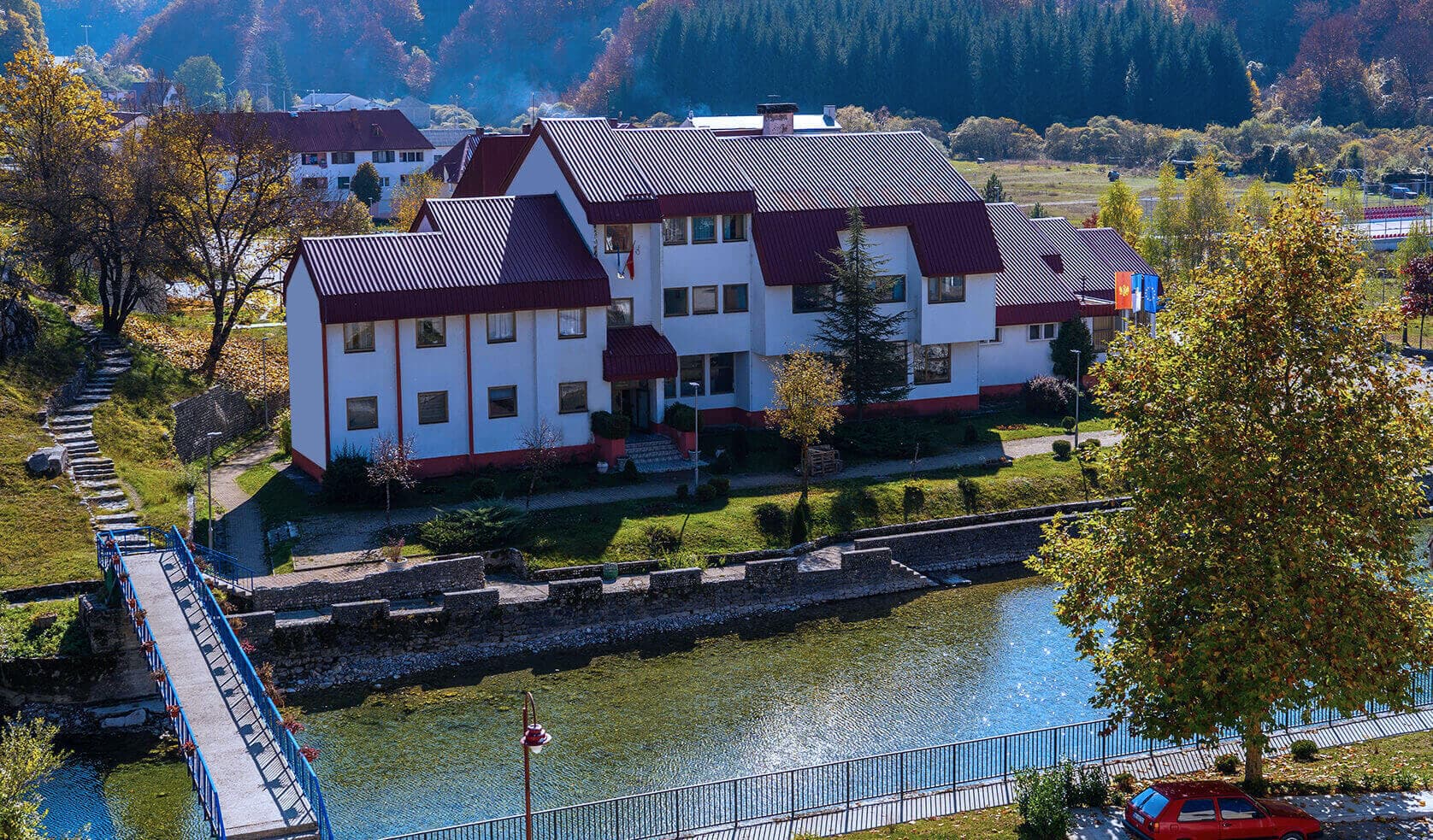
- Cultural Centre Šavnik – the bearer of the cultural life of the municipality The Public Institution Cultural Center Šavnik is the central address and umbrella institutional support of all cultural, artistic and social events in the municipality. Founded in the second half of the 20th century, during the period of intensive emancipation and decentralization of culture in Montenegro, the Center was designed with a clear vision: to unify the cultural, educational and informational impulses of the local community and prevent the cultural marginalization of this mountain ring. Located in the administrative core of the town, the Center functions in an architecturally reduced, but maximally used public building that is completely subordinated to the needs of citizens. The architecture of the building itself reflects a utilitarian and pragmatic approach to public construction in mountainous and subalpine zones – it is characterized by simple, clean lines, a compact form resistant to harsh winter conditions and a multifunctional organization of the interior space. Under the auspices of this building, theater and amateur programs, literary evenings, film screenings, creative and educational workshops for young people and occasional exhibitions are continuously realized, which justifies the status of this institution as the basic pillar and focal point of the social life of Savnik.
- Library activities of Šavnik – guardian of written and native heritage Library activities in the area of Šavnik are developed within the city library, which pulsates organizationally and spatially within the Cultural Center. Its fundamental role goes beyond traditional book publishing; It is the primary depository of the written word, literacy and specific homeland memory of the entire Durmitor and Drobnjak region. The library's book collection contains carefully selected works of domestic and world classics, reference professional literature, as well as the valuable Homeland Collection that documents the historical vertical of this region. Within this collection, chronicles, records and publications that treat in detail the phenomenology of traditional nomadic and livestock life, large migration flows of the population to other parts of the Balkans, as well as specific anthropological patterns of this karst area have a special scientific and research value. The library regularly initiates literary meetings, promotions of local authors and chamber cultural programs, adapting its work to the intimate and authentic microenvironment of its reading audience.
- Cultural screenings and amateur programs – a small space of great culture Although Šavnik, due to infrastructural and economic limitations, does not have a permanent, commercial cinema hall, film art and related audiovisual content regularly find their way to the audience through the multifunctional hall of the Cultural Center. This is most often realized through successful cooperation with national institutions, guest reviews, documentary screenings and educational film matinees. Such programs play an invaluable role in maintaining the cultural dynamics and vitality of the municipality. They provide the local population, and especially school youth, with a direct insight into the contemporary trends of cinema and art, successfully bridging the geographical isolation and distance from the large urban and administrative centers of Montenegro.
- Cultural heritage and tradition of the Durmitor region – a living memory of the area
The cultural heritage of the Durmitor and Uskok-Drobnjak area is a unique and layered treasury that was created through the centuries-long process of man's adaptation to the harsh mountain nature. This heritage has been passed down from generation to generation, without the mediation of large institutions, surviving primarily through rigid and proud patterns of oral tradition and collective folk creativity. That is why this area is characterized by the incredible strength and expressiveness of the intangible heritage, which still represents the DNA of the local identity. At the epicenter of this spiritual heritage is oral literature – the epic decalogue, historical traditions, fairy tales, proverbs and legends in which historical reality is intertwined with mythical consciousness and folk aesthetics. These verbal monuments represent a key segment of the historical self-awareness and ethical code of Durmitor. No less important part of the heritage are ancient folk customs, traditional forms of solidarity (such as the mob) and authentic festivities that are still revived today through local programs. Through these rituals, a living continuity with ancestors is preserved and a sense of belonging to a community is cemented. The heritage of Šavnik, therefore, is not a petrified and museum exhibit of the past, but a dynamic, applicable and recognizable value that actively shapes everyday life. 5. Cultural events of Šavnik – meetings of tradition and contemporary expression Cultural events in Savnik, distributed throughout the calendar year, have the characteristic stamp of local and regional assemblies. They are primarily focused on the revalorization of ethno-heritage, the promotion of the natural and cultural resources of the municipality, and on the re-gathering and cohesion of the population, including the numerous Savnik diaspora. Annual programs usually include festivals of original folklore and folk creativity, gusle evenings, mountaineering and cultural days, literary meetings inspired by Durmitor motifs and occasional colonies of applied arts. These events, although modest in terms of production and budget, have a huge identity, sociological and cohesive significance for the local population, turning Šavnik into a stage where tradition communicates with the modern visitor. Conclusion The cultural landscape of Šavnik develops and survives in the specific, intimate ambience of a small mountain town, where the mighty outlines of the Durmitor massif and the historical umbilical cord with the traditional way of doing business and thinking still dictate a unique cultural pattern. Although faced with demographic decline and modest infrastructural capacity, this space demonstrates an astonishing vitality and a solid sense of belonging and historical continuity. Through the tenacious work of the Cultural Center, the city library and occasional amateur programs, Šavnik successfully balances between contemporary cultural needs and the monumental heritage it inherits. In this process, the true, essential value remains in the domains of intangible culture – in living language, ethical postulates, customary law and collective memory. Although modest compared to the large and rich cultural scenes, Šavnik possesses a precious authenticity that springs from its primordial simplicity, pride and unbreakable connection with nature and history, remaining recognizable as a space where culture is not a luxury, but a basic way of existence and survival of the community.