Municipality: Žabljak
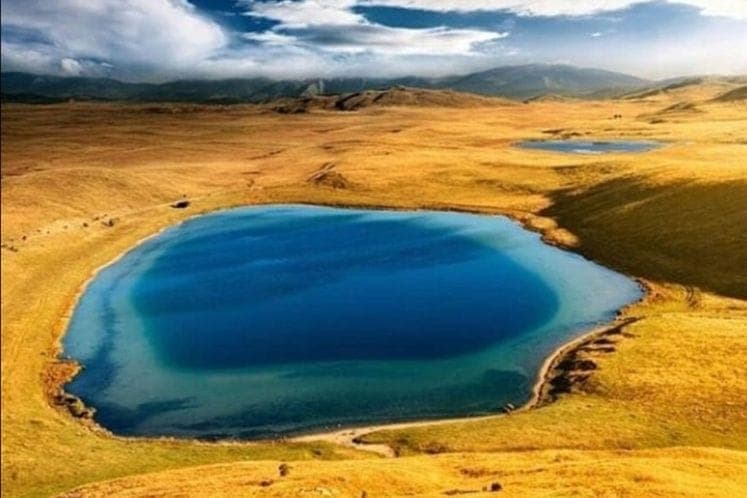
Devil's Lake, located in a picturesque area of the Durmitor plateau, not far from Zabljak itself, is one of the most interesting and mystical glacial lakes in this part of Montenegro. Although it is located near the Black Lake, Devil's Lake offers a completely different ambience; while Black Lake is surrounded by dense coniferous forest, Devil's Lake stretches in the middle of an open, spacious landscape covered with low grass and rocky terrain, which gives it a distinct visual identity. His name, which arouses attention and curiosity, is related to numerous local legends and legends that have been passed down from generation to generation through the centuries, adding a note of mystery to this place that further attracts researchers and lovers of mountain myths. The water in the lake is extremely clear and transparent, and due to the specific composition of the soil and depth, depending on the time of day and lighting, it takes on shades that vary from dark blue to almost black, which probably contributed to the creation of its legendary reputation. The lake is surrounded by gently rolling meadows that are covered with a variety of mountain flowers during spring and summer, making it an ideal place to relax, have a picnic or observe the landscape. In the immediate vicinity of the lake there is a Fish Lake, which makes the whole area very attractive for easy walks and exploring the natural beauty of the Durmitor surroundings, which are easily accessible to all visitors. For nature lovers, Devil's Lake is a destination that provides a sense of spaciousness and freedom, in contrast to the dense forest shade of the Durmitor rainforests. It is an important habitat for numerous species of birds and endemic plants, and the peace that reigns here is almost palpable. A visit to this lake provides an opportunity to experience the other, more tame side of Durmitor, where mountain winds flow freely over the open fields, and the view reaches far to the contours of the surrounding peaks. The Devil's Lake remains one of the most important points for anyone who wants to fully get to know the diversity of the Durmitor region, combining the beauty of nature with the richness of folk stories that make up the soul of this region.