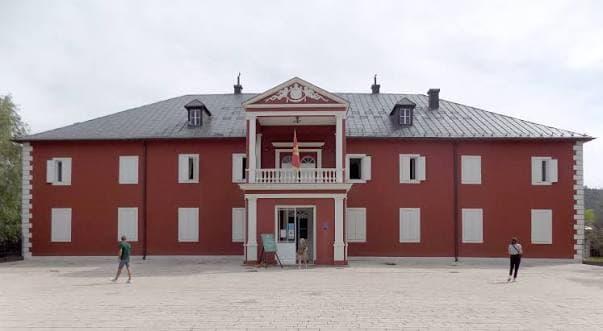
Cetinje, the historical and cultural capital of Montenegro, is a city with the status of a centuries-old spiritual and state-building bastion. Located in a karst field at the foot of the mythical mountain Lovćen, Cetinje has functioned for more than five centuries as the nucleus of freedom, culture and diplomacy of the Montenegrin state, which is why today it is rightly considered a unique open-air museum. The main advantage of Cetinje lies in its compact and elegant city center – almost all the most important national sights are located just a few minutes' walk from each other. This makes this city the perfect destination for an intense, deep, and memorable day trip. Below is a guide to the key phases of the day, carefully designed to blend royal history with the rugged beauty of Lovćen.
Morning in the Historic Center of the City: In the Footsteps of the Montenegrin Rulers The best way to start the day is at the Castle Square, the heart of the Cetinje bazaar, from where there is a network of historic streets with recognizable architecture from the late 19th and early 20th centuries. The pleasant atmosphere and tree-lined avenues of pedestrian Njegoševa Street are an ideal overture to get acquainted with the diplomatic past of the city. King Nikola's Court (State Museum) The first unavoidable stop is the red and white building of the residence of the last Montenegrin sovereign, King Nikola I Petrović Njegoš. The interior of the palace has been transformed into a museum that faithfully preserves the authentic ambience of the royal salons, libraries and study cabinets. Through lavish exhibits, collections of weapons, decorations, royal flags and furniture in the Empire and Biedermeier styles, visitors are directly acquainted with the golden age of Montenegrin diplomacy and the inner life of the Petrović-Njegoš dynasty. A walk through the diplomatic quarter After the palace, the continuation of the walk through the historic center leads past the luxurious buildings of former foreign embassies from the time when Cetinje was a cosmopolitan center. The monumental French Legation with its recognizable tiles, the elegant Russian Legation, and the buildings of the Italian and Austro-Hungarian Legations stand out for their architectural beauty, which speak of the former international reputation of the Montenegrin state. Noon in the sign of spirituality and eternal poetry From the Castle Square, through the landscaped parks of Cetinje, the road naturally leads to the historic plateau at the foot of Orlov karst, where the two largest pillars of Montenegrin identity are located. Cetinje Monastery Built in 1701 by Bishop Danilo on the site where the original Crnojević monastery once stood, the Cetinje Monastery is the spiritual center of Montenegro. This stone complex has been an impregnable fortress of faith and literacy for centuries. In addition to the tombs of the rulers of the Petrović dynasty, the monastery treasury preserves three priceless Christian shrines that attract pilgrims from all over the world: the right hand of St. John the Baptist, the particle of the Holy Cross of the Lord and the incorruptible relics of St. Peter of Cetinje, the great Montenegrin spiritual leader and legislator. Njegoš's Billiards Right opposite the monastery rises Biljarda, the residence of the ruler, poet and philosopher Petar II Petrović Njegoš, built in 1838. This fortified building with towers at the corners was named after the first billiard table that Njegoš brought from Vienna. The interior hides Njegoš's study, his personal belongings, the library and the original manuscript of his masterpiece "The Mountain Wreath". A special curiosity in the courtyard of the Billiards is the large relief of Montenegro in scale, an extremely precise geographical map in concrete made by the Austro-Hungarian army in 1916. A break with traditional cuisine The middle of the day brings an ideal moment for a break in one of the traditional Cetinje restaurants or modern taverns located in the pedestrian zone. The Cetinje region is widely known for its gastronomy, so this is an opportunity to enjoy the authentic specialties of this region. The menu includes the famous Njeguš prosciutto and Njeguš cheese, lamb under the bell, and homemade kačamak, which are traditionally served with a glass of top-quality Crmnik vranac or homemade grape brandy. Afternoon on Lovćen: Ascent to the heights and eternal peace The second part of the day is reserved for leaving the city center and going to the karst heights that guard the most important Montenegrin viewpoint and a symbol of national pride. Lovćen National Park and Njegoš's Mausoleum Only twenty kilometers drive along an attractive mountain road from Cetinje to the heart of the Lovcen National Park, to Jezerski vrh, which is located at 1657 meters above sea level. At the very top, the monumental Mausoleum of Petar II Petrović Njegoš, the tallest mausoleum in the world, was erected. To get there, you need to go through an imposing tunnel and climb exactly 461 steps. Inside the mausoleum is dominated by a gigantic sculpture of Njegoš with an eagle, weighing 28 tons, the work of the famous sculptor Ivan Meštrović, carved from one block of Jablanica granite, under a vault lined with over two hundred thousand gilded tiles. Behind the mausoleum there is a circular viewpoint with a spectacular, panoramic view of the "stone sea" of Montenegro, the Bay of Kotor, Lake Skadar and the Adriatic sea. Evening: Smile of the day at the foot of the Orlov karst Returning to Cetinje in the evening offers the opportunity for a relaxed walk and observation of the city in a completely different light, when the street lamps are lit and the mountain air brings pleasant refreshment. The day is ideally rounded off with a slight climb to Orlov krš, where the mausoleum of Bishop Danilo is located. From here, there is the most beautiful evening view of the illuminated Cetinje and the outlines of the monastery, which is an emotional end to this one-day trip. It is this combination of sacral silence, the lordly charm of royal palaces, diplomatic elegance and the harsh cosmic beauty of Lovćen that makes Cetinje a destination that is not only visited by the eyes, but experienced with the soul. One day is the perfect time frame to feel its rhythm, understand its grandiose historical role and take with you the spirit of defiant and libertarian Montenegro forever. WHERE TO EXTEND THE DAY? (If you have a faster pace or extra time): If you are quick to visit or decide to extend your stay in the Cetinje territory, the municipality offers extraordinary sites in its immediate vicinity: Ivanova korita: A well-known picnic area within the Lovćen National Park, ideal for holidays in dense beech forests, hiking trails and adventure parks. Lipska Cave: One of the largest and only functionally arranged caves in Montenegro, only 5 km from the city center. It offers hundreds of meters of underground corridors rich in cave jewelry (stalactites and stalagmites) and a constant cool temperature. Crnojevica River: A picturesque, old fishing and trading village at the very gate of Skadar Lake. It is recognizable by the famous stone Danilo Bridge, old mills and boat rides through water lily fields. Pavlova strana viewpoint: The most famous viewpoint in the country, located on the way to the Crnojević River, which offers a cult, world-famous view of the river meander that goes around the mountain hills.