Podgorica is an area where different civilizations have changed throughout history, so the remains of cities and fortifications from the Illyrian, Roman, medieval and Ottoman periods can still be seen on its territory. These localities are not only archaeological traces, but also important tourist spots that connect nature and history in a unique experience. Below are presented the most important fortresses and old city units of the municipality of Podgorica.
OLD TOWNSHIP Stara varoš is the oldest preserved part of Podgorica, whose formation is related to the period of Ottoman administration, mainly from the 15th to the 19th century. It was created as a trade and craft core of the city, with densely distributed houses, narrow streets and buildings that followed the traditional way of building at that time. During a long period, it was the main part of the city, where crafts, trade and administration were located. Today, Stara varoš is a cultural and historical zone where you can see the layers of Podgorica's past. A special symbol of this area is the Clock Tower, built in the Ottoman period. The tower served as a city clock and landmark for residents, and today it is one of the most recognizable symbols of old Podgorica. Although the city around it is modern, Stara Varoš has preserved its quieter, ancient appearance and gives Podgorica a special historical character.
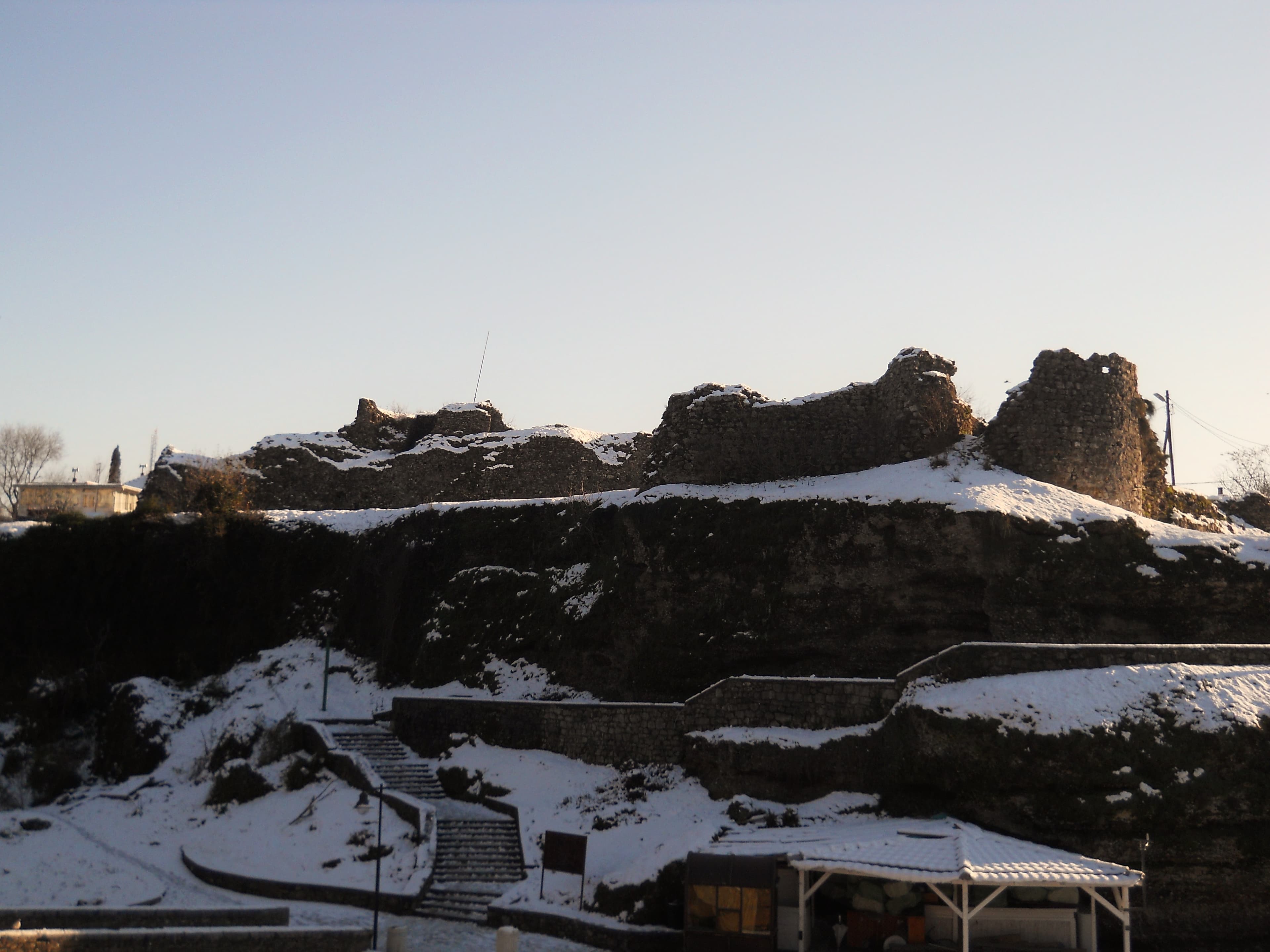
DEPEDOGEN FORTRESS / POND The Ribnica fortress is one of the oldest historical places in Podgorica, located at the mouth of the Ribnica river in Morač, in the very center of the city. This area was used even in the ancient and medieval period due to its very important position, but it is most often associated with the Ottoman era. In the 15th century, there was a fortification known as Depedogen in this place, a small military fortress that served to control the entrance to the city and the surrounding roads. Over time, through wars, demolitions and natural changes, the fortress lost its function and today only fragments of walls and foundations remain. Today, Tvrđava Ribnica is an open and peaceful space that acts more like an archaeological site than a classic fortress. It has not been completely reconstructed, which gives it an authentic and raw historical appearance. For tourists, this place offers the remains of old stone walls and foundations, the confluence of the rivers Ribnica and Morača, the Skaline promenade along the river and a peaceful atmosphere in the very center of the city.
THE ANCIENT CITY OF DUKLJA Duklja (Doclea) is one of the most important archaeological sites near Podgorica, located just a few kilometers from the city center, at the mouth of the Zeta River in Morač. It was an ancient Roman city that arose in the 1st century AD. It got its name from the Illyrian tribe Dokleata, which lived in this area before the arrival of the Romans. During the Roman period, Duklja was rapidly developed and became an important city center with developed administration and trade. The city had a typical Roman appearance: the streets were arranged in a regular grid, there was a forum as the main square, temples, thermae (public baths), water supply and city walls. In its heyday, it is believed that it could have had a significant number of inhabitants and that it was one of the more important centers in the region. The gradual decline of the city began in the 4th century, especially after the invasion of the Goths and subsequent historical changes. Over time, Duklja was abandoned, and its remains fell into disrepair, while the stone was used to build new settlements in the area. Today, Duklja is an open-air archaeological park where visitors can see the remains of Roman streets and house foundations, the forum (main city square), thermae (baths), parts of the city walls and the remains of early Christian buildings. Duklja is particularly interesting because it is located in a natural environment next to rivers, so a visit gives a sense of what life was like in a Roman city almost 2000 years ago, and all this just a few minutes' drive from modern Podgorica.
MEDUN FORTRESS Medun is one of the oldest fortifications on the territory of Montenegro, the beginnings of which are connected to the Illyrian period (several centuries BC). It was later used by the Romans, and in the Middle Ages it was refortified and adapted to defense needs. Thanks to its elevated position, Medun had excellent control over its surroundings, which made it an important military stronghold throughout history. The special value of Medun is also represented by the fact that it is the birthplace of Duke Marko Miljanov, a well-known historical figure from the 19th century. Today, the remains of the walls and fortifications are visible, as well as part of the later buildings connected to the settlement. Today, Medun is an excursion site with a strong historical significance and an exceptional view of the Podgorica valley. It is suitable for visiting, taking photos and learning about the old history of Kuč and the wider area. The fortresses and old towns of the municipality of Podgorica represent an important part of its identity and bear witness to the long and complex historical development of this area. From the Illyrian fortifications on Medun, through the Roman city of Duklja, the medieval Ribnica and the Ottoman Old Town, all the way to the natural sites that surround them, the continuity of life that has lasted for thousands of years is clearly visible. Although Podgorica is today a modern and dynamic city, these localities preserve the memory of its beginnings and offer visitors the opportunity to "travel" through different eras in a short time. Each of these places has its own story, its own significance and a special ambience that sets it apart. That is why a visit to these localities is not only a touristic tour, but also an encounter with the past that shaped today's Podgorica.